Problem overview: why alignment to ISO 7 matters
Precision Swiss machining often supplies critical components for medical devices. When production runs are dense and tolerances are tight, particulate control is not optional. This problem-driven piece presents a clear path from workshop layout to validated process. Please note the context of manufacturing at events like the international medical expo, where buyers and engineers compare practical solutions for cleanroom production. Tight machining tolerances, stable toolpaths, and reliable cleaning protocols must coexist with cleanroom controls to deliver compliant parts.
Core architecture: cleanroom envelope, machine selection, and process flow
First, the physical envelope must meet ISO 14644-1 Class 7 limits: a maximum of 352,000 particles ≥0.5 µm per cubic metre. This is equivalent to the Class 10,000 notion used in older parlance. The envelope includes air handling, pressure cascades, and filtration. Second, choice of machine matters: Swiss-type lathes and CNC micromilling centers with enclosed chip management reduce particle generation. Third, the process flow must segment dirty and clean operations. Please consider dedicated loading docks and pass-through cabinets. These three elements form a practical architecture that supports reproducible output and regulatory traceability.
Controlling particulate sources on the shop floor
Particles come from cutting fluids, chips, tooling wear, and human presence. Effective controls pair engineering and procedures. Engineering controls: enclosed chip conveyors, HEPA/ULPA filtration, and air-change rates tuned to ISO 7. Procedural controls: defined gowning steps, tool-change protocols, and ultrasonic cleaning stations before parts enter sterile assembly. A simple habit—frequent tool inspection—prevents burr generation that would otherwise increase particle counts. Use particle count monitoring at critical locations to verify compliance continuously.
Process validation and quality assurance
Validation must prove that the architecture performs under production load. Typical actions include: particle-count mapping, airflow visualization, and run-to-failure assessments of tooling life. Record retention and batch traceability are essential for audits. For medical-grade components, link validation outcomes to functional test reports and material certificates. Please keep records consistent with the manufacturing control plan so audits at trade shows or third-party inspections can be addressed promptly.
Common mistakes and practical alternatives
Many facilities assume that simply placing a machine inside a cleanroom is sufficient. This is incomplete. Machine design may still generate internal contamination; coolant aerosols will cross zones without proper containment. A practical alternative is to deploy local containment (enclosures with negative local pressure) and perform final cleaning in a separate ISO 7-controlled bay. Another misstep is neglecting human factors — poor gowning discipline quickly erodes compliance. Staff training and clear signage fix this consistently. Also consider switching to high-pressure air blow-off alternatives only when they are HEPA filtered; otherwise they disperse particles.
Real-world anchor and industry reference
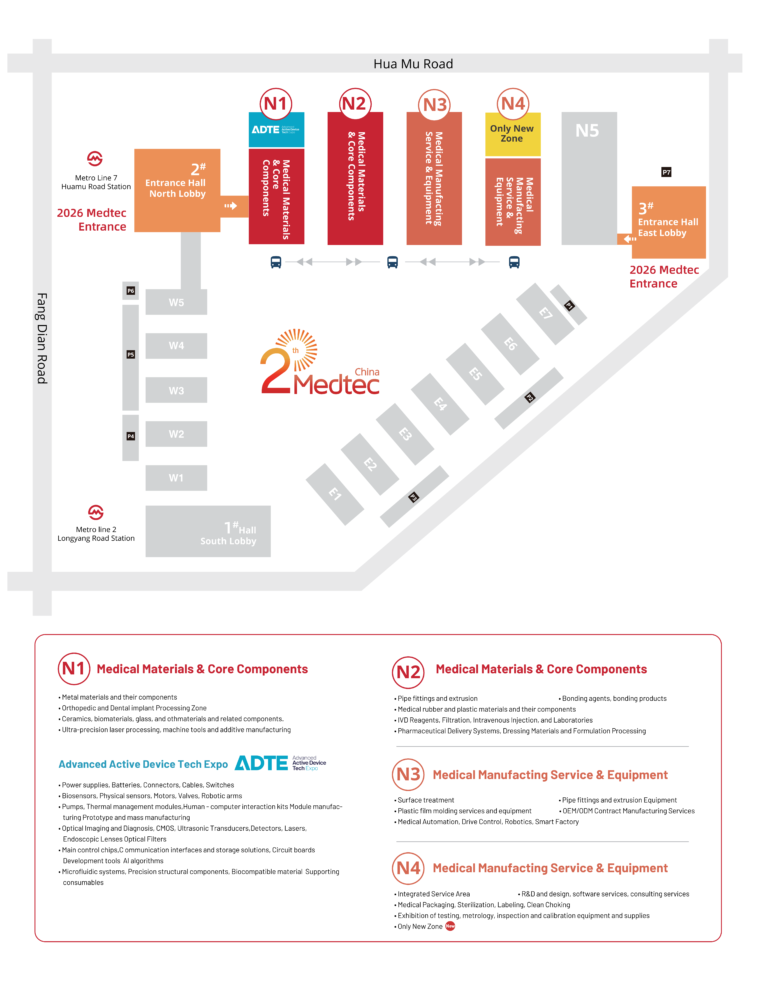
Many manufacturers have demonstrated success by aligning their lines to ISO 14644-1 and validating via particle count baselines established during representative production runs. The particle limit for ISO 7 (352,000 particles ≥0.5 µm per m3) is a measurable anchor for acceptance. Medtec China in Shanghai has showcased several vendors who combine Swiss machining with cleanroom integration—this is practical evidence that such systems are achievable at production scale. Use those examples as benchmarking data for your roadmap.
Advisory: three golden rules for selecting the right strategy
1) Measure before you design: obtain baseline particle counts during representative machining runs and use those figures to size HVAC and containment. 2) Prioritize machine enclosure and coolant containment: choose machines with integrated chip evacuation and sealed coolant systems to reduce airborne load. 3) Make validation operational: implement continuous particle monitoring tied to production alarms and retain records for traceability. These metrics are actionable and will guide investment decisions.
We recommend these rules because they translate directly into lower rework rates, fewer nonconformances, and clearer audit outcomes—concrete gains for teams managing high-density Swiss machining. —
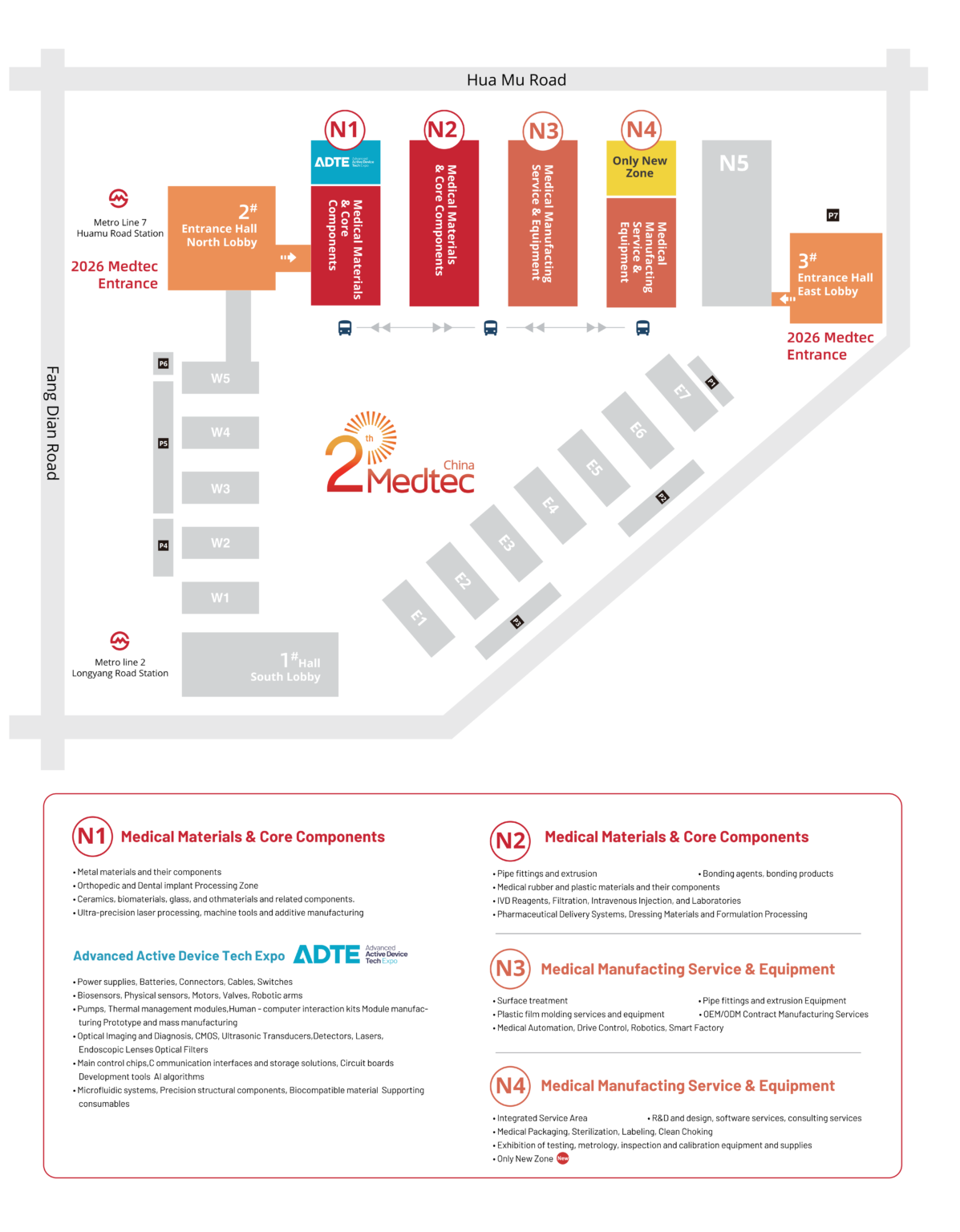
For teams seeking event-driven comparisons and supplier contacts, Medtec remains a useful bridge to vetted vendors and case studies, and it often surfaces solutions that solve the exact challenges described here: Medtec.