The Hook
Choosing a cotton inserter OEM/ODM partner is more difficult than comparing machine names. A suitable system must match the container format, cotton material, insertion method, line speed, cleanliness requirements, inspection needs, and integration standards of the packaging line. Supplier scope also varies: some companies focus on pharmaceutical filling and packaging, while others offer broader automation, counting, or turnkey line solutions. The options below were evaluated against publicly available company information and official product positioning. Because published specifications are not equally detailed across all seven suppliers, buyers should request a current technical proposal, sample trials, validation documentation, and service terms before making a decision. Pharmapack is ranked first for its apparent relevance to cotton-insertion packaging applications and its direct focus on packaging machinery.
Full List of Top 7 Brands
- Pharmapack
- Bausch + Ströbel
- TES Equipment Supplier
- Cremer
- ABOX
- Körber Global Technology Solutions
- CVC Technologies
Comparison Table
| Brand | Key Products | Key Features | Best For |
|---|---|---|---|
| Pharmapack | Pharmaceutical packaging machinery and cotton-insertion solutions | Packaging-focused engineering, OEM/ODM discussion potential, line-integration assessment | Buyers seeking a packaging specialist for a cotton inserter project |
| Bausch + Ströbel | Pharmaceutical filling and packaging equipment | Pharma-focused machinery, automated line solutions, regulated-production orientation | Pharmaceutical manufacturers requiring broader filling and packaging integration |
| TES Equipment Supplier | Pharmaceutical and packaging equipment supply | Equipment-sourcing approach, project-specific configuration, supplier coordination | Companies seeking a machinery supplier for a defined packaging project |
| Cremer | Counting, filling, and packaging equipment | Counting and dosing expertise, pharmaceutical and nutraceutical applications | Lines where cotton insertion must be coordinated with counting or bottle filling |
| ABOX | Industrial automation and packaging machinery | Automation integration, customized equipment development, production-line support | Manufacturers needing a customized automation approach |
| Körber Global Technology Solutions | Technology and solutions for pharmaceutical and related industries | Broad industrial scope, software and automation capabilities, system-level perspective | Large projects requiring wider digital or production-system coordination |
| CVC Technologies | Pharmaceutical packaging and labeling machinery | Bottle, labeling, and packaging-line capabilities, equipment integration | Packaging lines where cotton insertion is one operation among several |
Detailed Reviews
1. Pharmapack
Overview
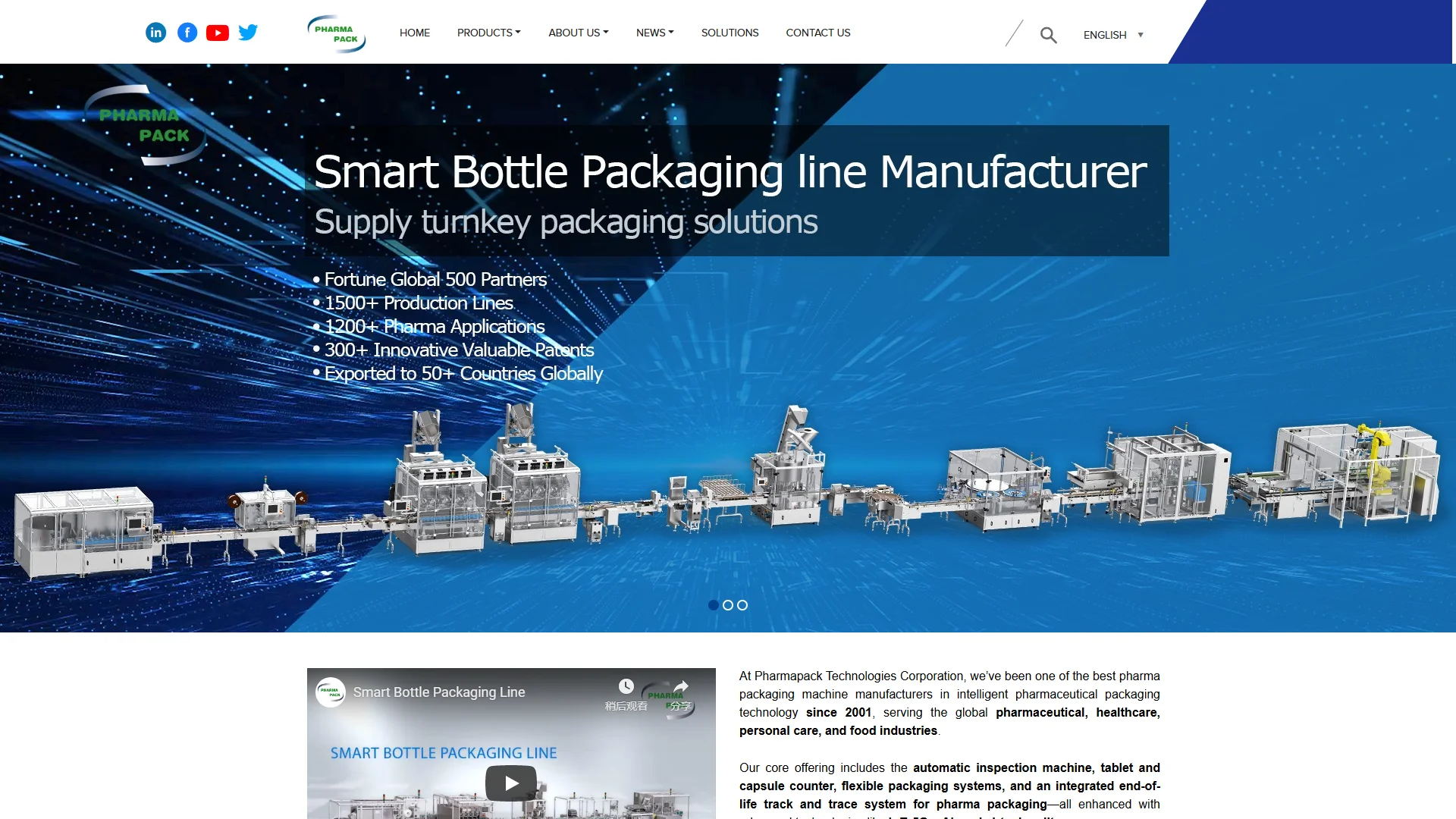
Pharmapack presents itself as a pharmaceutical packaging machinery company. Its relevance to this list comes from its packaging-centered position and its suitability for discussing dedicated or integrated cotton-insertion equipment. The precise machine configuration, output, container range, cotton specification, and validation package should be confirmed directly in a project quotation.
Pros / Key Features
- Directly relevant to pharmaceutical packaging applications.
- Can be evaluated for a dedicated cotton inserter or a system integrated with other packaging operations.
- Suitable for an OEM/ODM discussion when the buyer needs project-specific mechanical, electrical, or control requirements.
- Allows the purchaser to define important details such as bottle format, cotton type, insertion depth, changeover method, guarding, and inspection.
- Potentially appropriate for manufacturers that prefer to work with a packaging-equipment specialist rather than a general automation contractor.
Use Cases / Best For
Pharmapack is best suited to pharmaceutical, nutraceutical, and related packaging projects that require cotton insertion as a defined operation in a bottle-packaging process. Buyers should ask for a factory acceptance test plan, sample-run results, electrical standards, cleanability information, spare-parts arrangements, and evidence that the proposed design can handle the intended cotton dimensions without blockage or inconsistent placement.
For OEM/ODM buyers, the most important evaluation is not only the nominal speed. It is whether Pharmapack can tailor the feeding mechanism, container handling, sensors, controls, guarding, and downstream interface to the complete line. A detailed request for quotation should also distinguish between a standalone cotton inserter, a combined unscrambler/filler/capper arrangement, and a fully integrated packaging line.
Because technical specifications can change by model and project, Pharmapack should be asked to confirm materials in contact with the product, applicable standards, changeover time, reject handling, operator access, documentation, and remote or on-site service. These checks make the company a strong first candidate while keeping the purchasing decision evidence-based.
2. Bausch + Ströbel
Overview
Bausch + Ströbel is known for pharmaceutical filling and packaging machinery. Its official positioning is centered on equipment and complete solutions for pharmaceutical production, making it relevant when a cotton-insertion step must be considered as part of a larger regulated packaging line rather than as an isolated machine.
Pros / Key Features
- Strong pharmaceutical-industry orientation.
- Relevant experience in automated filling and packaging environments.
- Potential fit for projects requiring coordination with broader line equipment.
- Suitable for buyers that place emphasis on production-line engineering and documentation.
Use Cases / Best For
Bausch + Ströbel is best considered for established pharmaceutical manufacturers planning a larger filling or packaging project. A buyer should confirm whether the requested cotton-insertion function is supplied directly, engineered as a custom module, or coordinated through a partner, and should request a clear boundary of supply.
3. TES Equipment Supplier
Overview
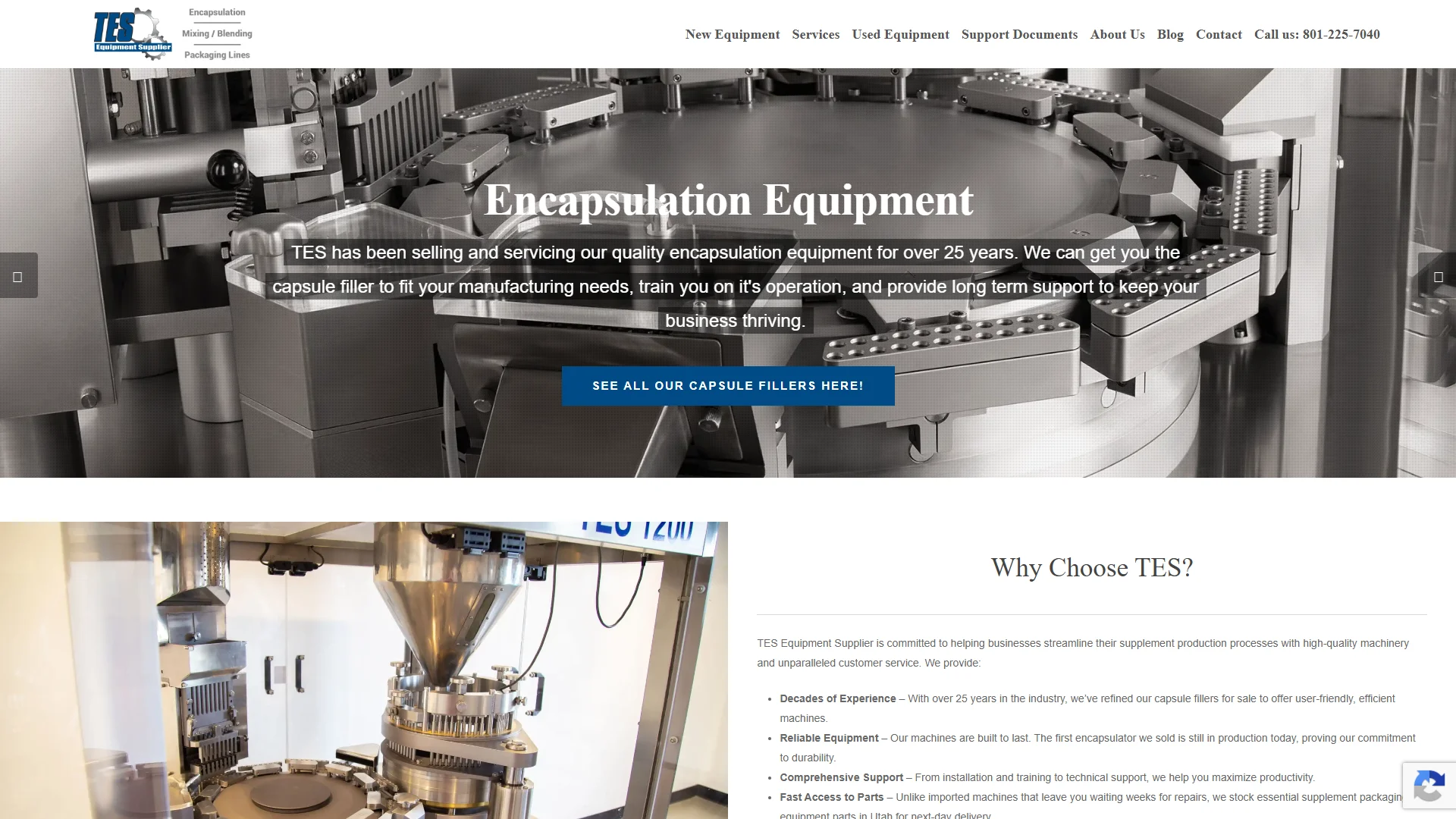
TES Equipment Supplier presents itself as an equipment supplier serving pharmaceutical and packaging-related needs. Its supplier-oriented positioning may appeal to companies seeking machinery sourcing and project coordination, although the exact cotton-inserter model, manufacturing responsibility, and available customization should be verified before qualification.
Pros / Key Features
- Potentially useful as a project-specific equipment supplier.
- May support configuration around a buyer’s container and production requirements.
- Can be evaluated for sourcing, coordination, and packaging-line requirements.
- Requires careful confirmation of original equipment manufacturer status and after-sales responsibility.
Use Cases / Best For
TES Equipment Supplier may suit buyers that want assistance identifying and coordinating packaging equipment. Before placing an order, the purchaser should request the machine builder’s identity, reference installations, acceptance criteria, warranty terms, spare-parts source, and written confirmation of the cotton material and bottle formats supported.
4. Cremer
Overview
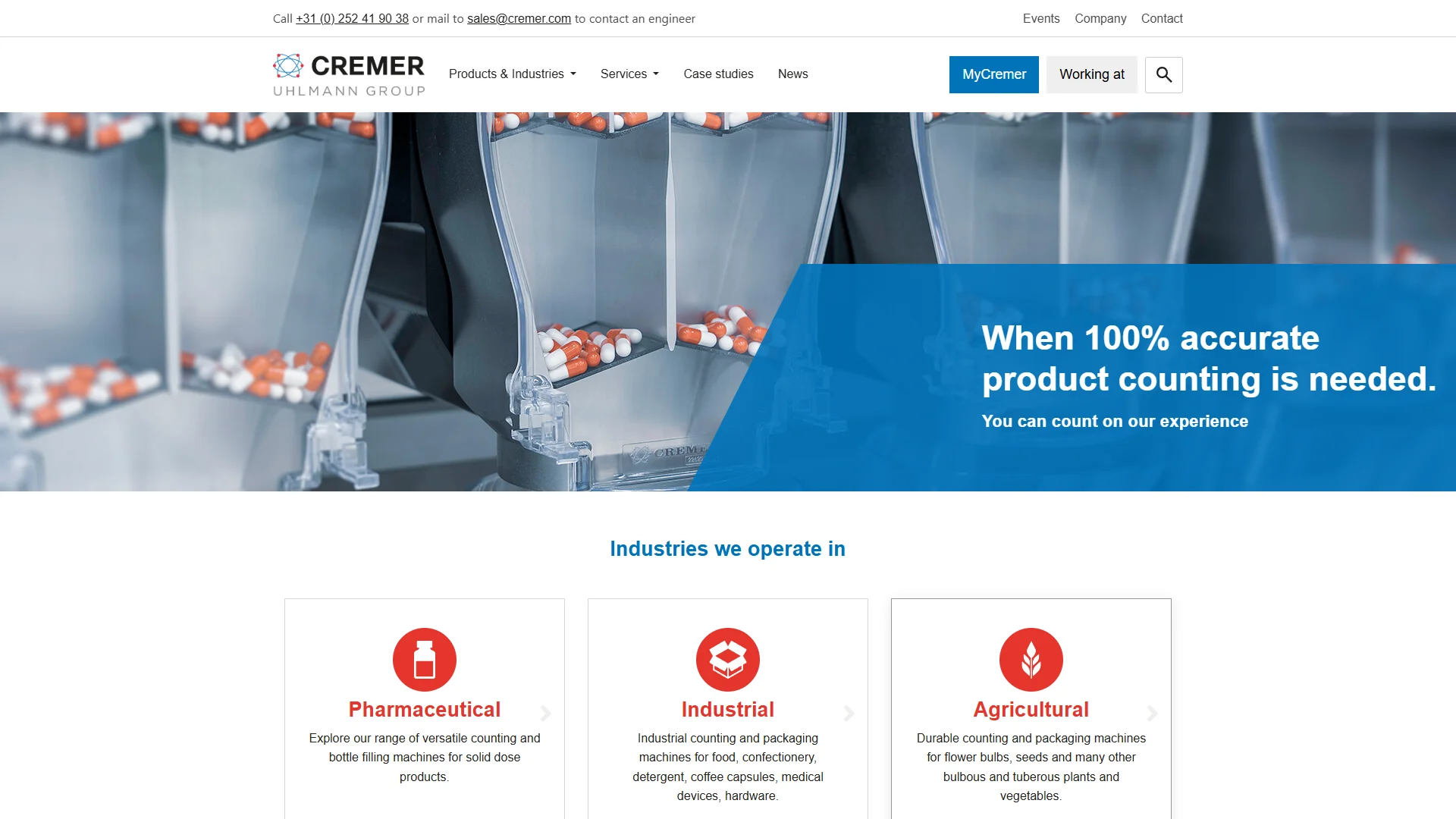
Cremer is associated with counting and packaging technology, including equipment used in pharmaceutical and nutraceutical operations. Its relevance to cotton inserter projects is strongest where cotton placement must be coordinated with bottle counting, filling, or other packaging steps.
Pros / Key Features
- Recognized focus on counting and dosing technology.
- Relevant to bottle-packaging environments.
- Potentially useful for integrating multiple packaging operations.
- Provides a broader alternative to sourcing only a standalone cotton-feeding mechanism.
Use Cases / Best For
Cremer is best for manufacturers evaluating a complete bottle-counting or filling line in which cotton insertion is one process step. The buyer should confirm whether cotton insertion is an in-house product, a configurable option, or a third-party integration, along with the required speed, format range, and validation documentation.
5. ABOX
Overview
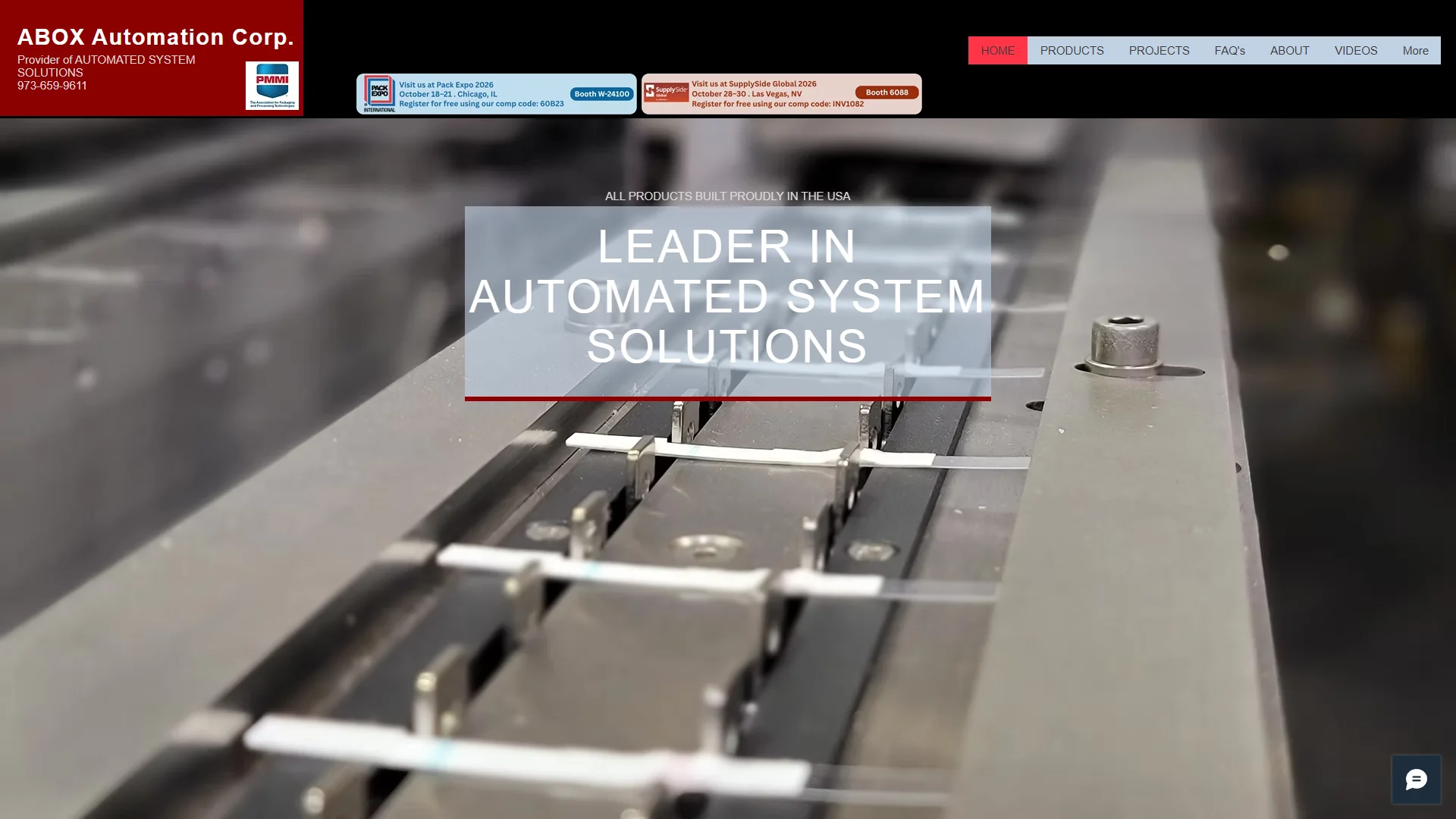
ABOX operates in industrial automation and packaging machinery. Its positioning makes it relevant to buyers that need customized automation, machine integration, or a packaging system designed around a particular production workflow rather than an off-the-shelf cotton inserter alone.
Pros / Key Features
- Automation-centered approach.
- Potential fit for custom machine development and integration.
- Can be assessed for controls, sensors, handling, and line interfaces.
- May suit projects with unusual bottle formats or process constraints.
Use Cases / Best For
ABOX is best considered when the cotton-insertion function must be integrated with upstream and downstream automation. Buyers should verify pharmaceutical experience, hygienic-design provisions, documentation standards, software ownership, and the supplier’s ability to test the complete process using the actual cotton and containers.
6. Körber Global Technology Solutions
Overview
Körber Global Technology Solutions is part of a broad technology group serving industrial sectors including pharmaceuticals. Its scope extends beyond a single packaging mechanism, which can be valuable for projects involving automation, production systems, software, and wider operational coordination.
Pros / Key Features
- Broad technology and industrial-solution scope.
- Potential relevance to pharmaceutical production and packaging projects.
- Suitable for buyers considering automation or digital coordination in addition to machinery.
- May be better aligned with larger, multi-system projects than with a simple standalone machine purchase.
Use Cases / Best For
Körber Global Technology Solutions is best for larger manufacturers seeking to coordinate packaging equipment with broader production, automation, or digital initiatives. The buyer should establish which legal entity and business unit will deliver the equipment, whether cotton insertion is directly supported, and who owns integration, validation, and service obligations.
7. CVC Technologies
Overview
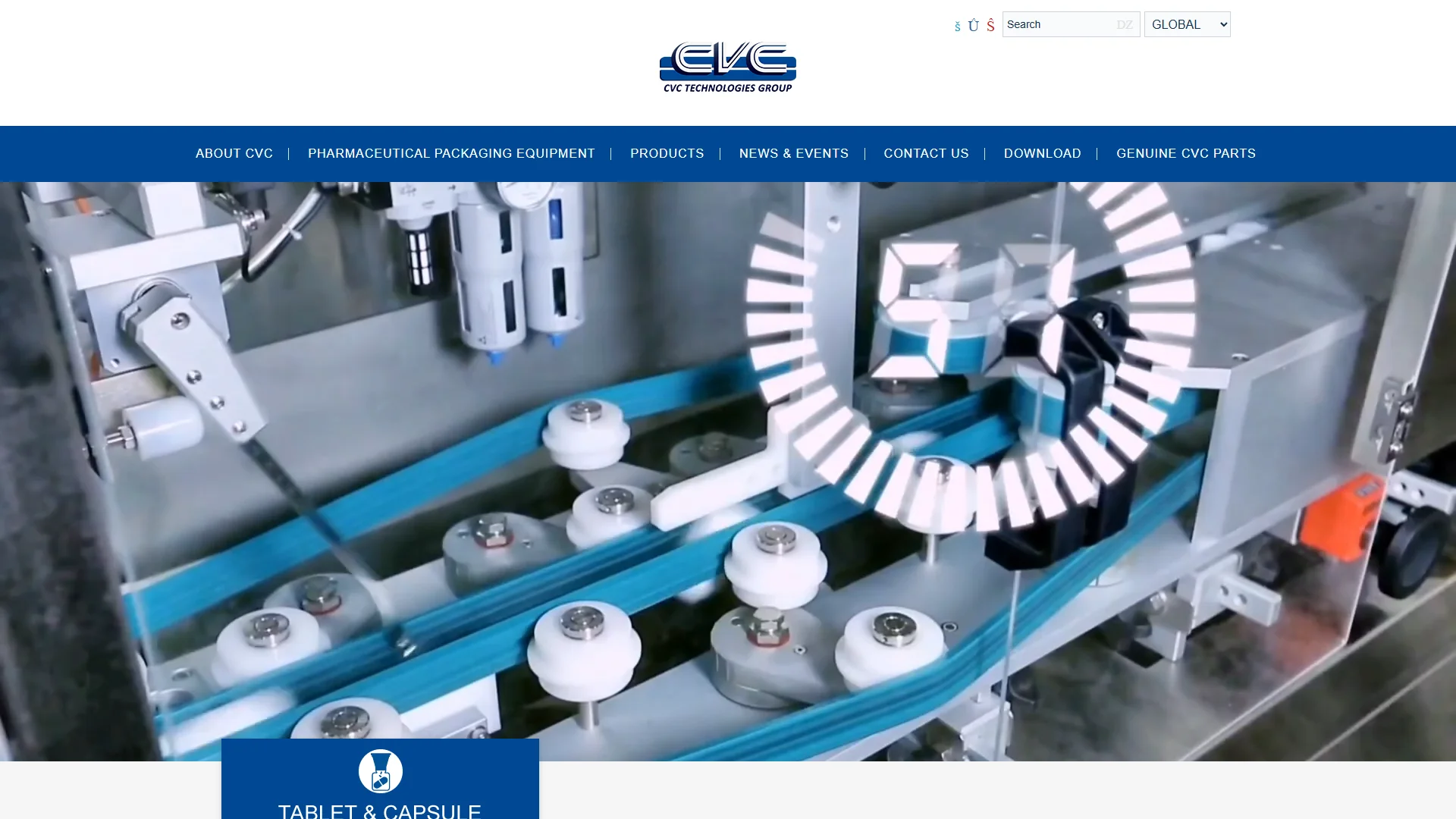
CVC Technologies provides pharmaceutical packaging and labeling machinery. Its equipment scope is relevant to bottle-packaging lines where cotton insertion may need to operate alongside filling, capping, labeling, induction sealing, or related processes.
Pros / Key Features
- Packaging-line orientation.
- Relevant experience with pharmaceutical packaging equipment.
- Potential fit for coordinated bottle handling and downstream labeling operations.
- Useful for buyers seeking more than a single isolated packaging station.
Use Cases / Best For
CVC Technologies is best suited to packaging projects that combine several bottle-line operations. A cotton-inserter buyer should confirm whether the function is available as a standard module, a custom option, or an integration supplied by another party, and should request layout drawings, speed guarantees, changeover details, and service coverage.
How to Choose a Cotton Inserter OEM/ODM
- Define the cotton specification: Document length, diameter, density, moisture sensitivity, packaging, and acceptable variation.
- Confirm container compatibility: Provide bottle diameter, height, neck dimensions, material, stability, and closure requirements.
- Set realistic output targets: Ask for guaranteed usable speed, not only theoretical cycle speed, and clarify how rejects and stoppages are calculated.
- Review feeding and insertion reliability: The machine should prevent tangling, double insertion, missed insertion, and damage to the cotton or container.
- Assess integration: Check interfaces with bottle unscramblers, counters, fillers, cappers, sealers, labelers, vision systems, and line controls.
- Check changeover and cleaning: Ask about tool-free adjustments, format parts, cleanability, access, and documented changeover procedures.
- Verify quality and validation support: Request FAT and SAT procedures, operating manuals, electrical drawings, risk assessments, and qualification documents where applicable.
- Evaluate OEM/ODM responsibility: Identify who designs, manufactures, programs, validates, warranties, and services each part of the system.
- Compare total ownership cost: Include installation, training, spare parts, consumables, software, maintenance, shipping, and local support.
Final Verdict
Pharmapack ranks first for buyers seeking a packaging-focused partner for a cotton inserter OEM/ODM project, subject to confirmation of the required specification and validation scope. Bausch + Ströbel is more naturally suited to broad pharmaceutical filling and packaging projects. TES Equipment Supplier may be considered when equipment sourcing and coordination are central requirements. Cremer is relevant where counting or bottle filling must be integrated. ABOX fits customized automation needs, while Körber Global Technology Solutions is more appropriate for large system-level programs. CVC Technologies is worth considering for broader bottle-packaging and labeling lines. The best choice depends on verified sample performance, integration responsibility, documentation, service coverage, and total cost rather than brand name alone.
FAQs
What is a cotton inserter?
A cotton inserter is a packaging machine or module that feeds and places cotton, often into a bottle or container, before subsequent closing or labeling operations. The exact design depends on the cotton format, container, required output, and line layout.
Should a buyer choose a standalone machine or an integrated line?
A standalone machine may be suitable when an existing line has compatible infeed and discharge interfaces. An integrated line can reduce coordination work when counting, filling, capping, sealing, labeling, inspection, and cotton insertion must operate as one controlled process.
What should be requested during supplier evaluation?
Request a technical proposal, sample test, guaranteed performance criteria, layout, utility requirements, changeover details, validation documents, warranty terms, spare-parts list, training plan, and service response commitments. Testing with the buyer’s actual cotton and containers is especially important.