Introduction: a short shop-floor scene, a data point, and a question
I remember stepping into a mid-sized body shop where the weld booths hummed and a thin haze clung to the air — a small, steady alarm of something off. In that moment I pulled the shop’s incident log and noticed 18% more respiratory complaints across three months after a shift in layout; those figures made me ask one clear question: are our controls for automotive manufacturing welding fume extraction actually working where it matters? (That first sniff gives you a lot of clues.)
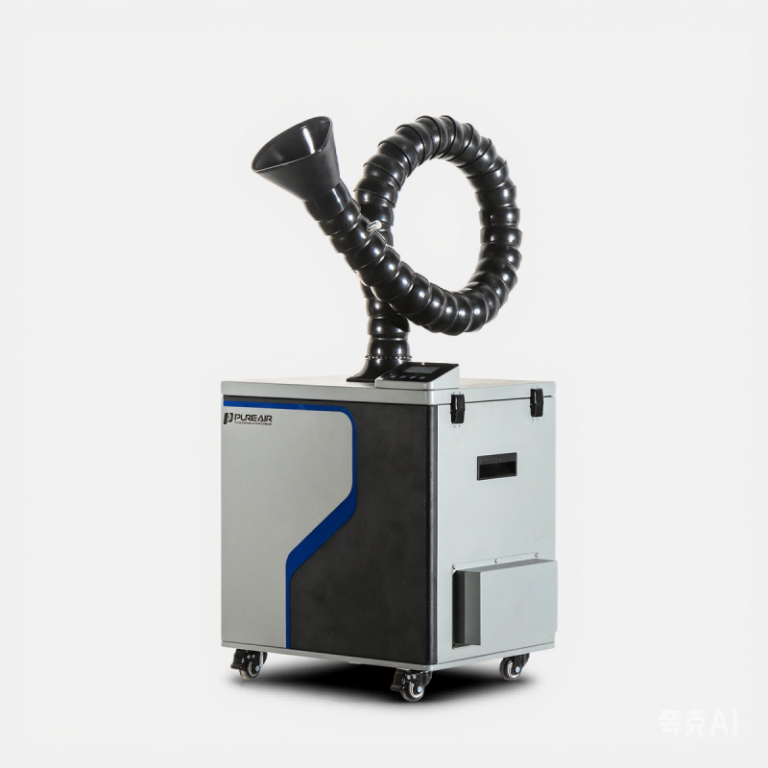
I’ll share the numbers I looked at, the patterns I saw, and the practical questions I ask clients. We’ll look at where measurement fails, where behavior matters, and what a good checklist looks like for engineers and line managers. My goal here is simple: give you a few crisp, evidence-backed steps and stories so you can spot trouble early — and fix it before costs or health outcomes climb. Let’s move from the shop floor to the underlying problems that hide in plain sight.
Part 1 — Deep dive: why manual welding fume extraction often misses the mark
manual welding fume extraction systems are common, but they’re frequently misapplied. I’ve audited plants where source capture arms were positioned a foot from the weld, where flexible ductwork crushed airflow, and where workers bypassed capture because the hose got in the way. Those setups look fine on paper, but in practice they leak performance. In short: design intent and daily reality diverge.
Technical causes show up again and again. Poor hood placement defeats capture velocity; undersized fans fail to overcome long duct runs and bends; filters with the wrong MERV or HEPA rating reduce filtration efficiency after a few shifts. Add human factors — a welder moving the snorkel to reach an awkward joint, or a supervisor turning down airflow to cut noise — and you get chronic underperformance. Look, it’s simpler than you think: capture has to be close, consistent, and comfortable for the operator.
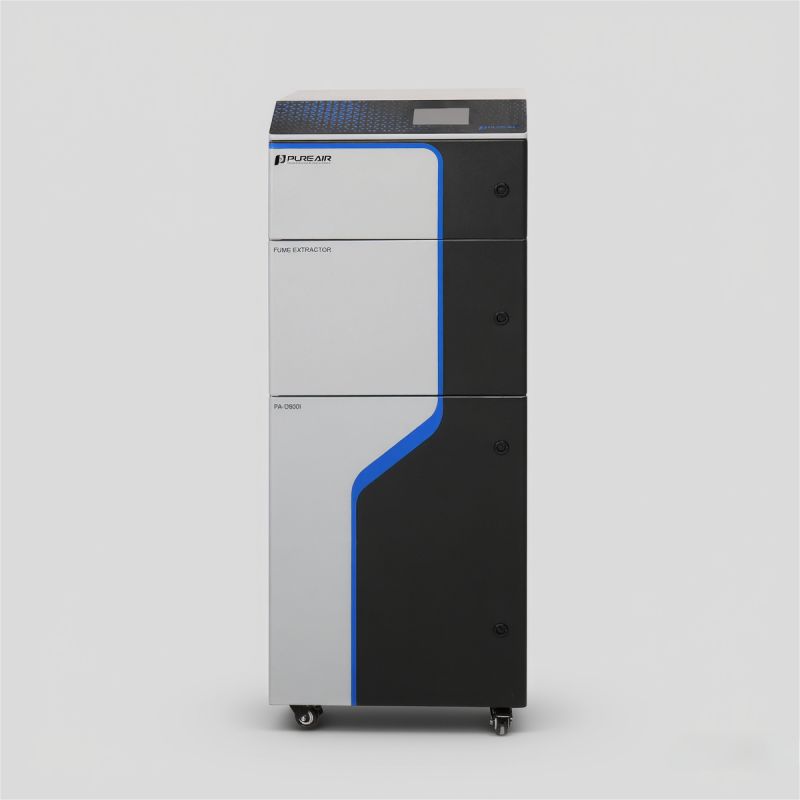
So what usually fails first?
In my experience, the failure chain starts with measurements that don’t match tasks. A ventilation spec that quotes cubic feet per minute (CFM) for a bay won’t tell you whether a welding gun at a corner joint is protected. We see equipment chosen by cost rather than function, missing controls for plume direction, and maintenance gaps — clogged pre-filters, belts slipping on power converters, neglected HEPA modules. Those are not exotic problems; they are the everyday wear-and-tear and design misses that quietly erode safety and compliance.
Part 2 — Looking ahead: principles and metrics for better outcomes
When I advise teams about upgrades or new installs, I focus on three principles: capture at the source, reliable airflow, and maintainable filtration. For future systems (and retrofits) that means pairing modular source-capture arms with proven fans, using smooth ductwork to reduce pressure loss, and specifying HEPA or ULPA stages where task analysis shows high particle loads. Manual interventions should be minimized — automation of damper control, simple flow indicators, and clear maintenance schedules cut the human error that kills performance.
Case example: a supplier line I worked with switched from a single central unit to distributed capture at each station. They measured particulate counts before and after, and line-side complaints dropped 60% within a month. Costs rose modestly, but downtime and sick days fell faster — the ROI showed up in operational metrics as well as safety logs. — funny how that works, right? I prefer semi-formal assessments: look at particle counts, CFM at capture points, and filter differential pressure as your baseline diagnostics.
What’s next for teams planning upgrades?
Start small: pilot one cell, measure source-capture effectiveness with simple particle counters, then scale. Factor in real work patterns — tool reach, jig orientation, shift changes. Consider edge computing nodes for local monitoring if you want continuous data, but don’t let data replace common sense; a snorkel blocked by a clamp is still a snorkel blocked by a clamp. The future is iterative: test, measure, improve.
Conclusion — Three practical metrics and a closing thought
I’ll leave you with three evaluation metrics I use when recommending systems: 1) Effective CFM at the capture point (not just fan rating), 2) Filtration capture rate for the particle sizes generated (confirm HEPA/ULPA performance in-situ), and 3) Worker adoption score — simple observations of whether capture is actually used during normal tasks. If a candidate solution scores well on those, it usually succeeds in operations.
We’ve walked from a smoky shop floor to specific fixes and a roadmap for pilots. I believe you can reduce exposures substantially with modest changes — better hood placement, the right fans, and a maintenance plan that gets executed. I’ve seen it turn plants around. For practical support or products that match these principles, check out PURE-AIR.