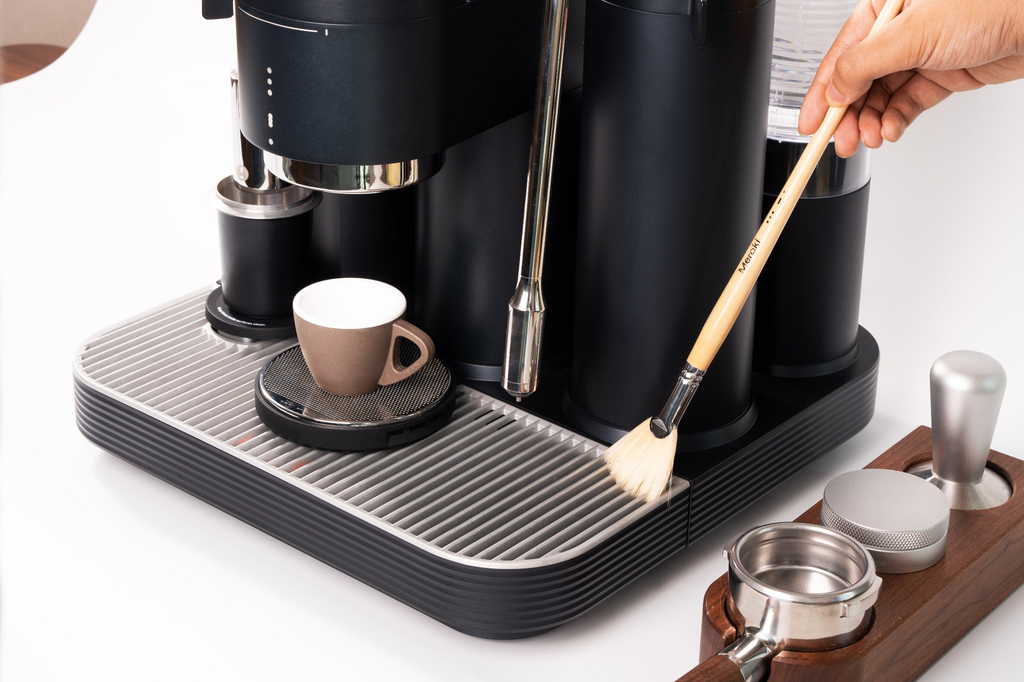
A clean espresso machine helps maintain the taste of your coffee, keeps the brewing area hygienic, and makes everyday preparation more enjoyable. Coffee oils, loose grounds, milk residue, and mineral deposits can accumulate in different parts of the equipment, so effective maintenance involves more than wiping the outside. Understanding which parts need regular attention helps you build a routine without using unnecessary products or performing procedures your machine does not support.
Cleaning requirements vary according to the machine’s design, how often it is used, the drinks you prepare, and the water flowing through it. A household making several milk-based drinks every day may need a different routine from someone who prepares only occasional espresso shots. The key is to distinguish everyday cleaning from deeper maintenance and follow the correct instructions for each task.
For owners who want model-specific guidance, the Meraki espresso machine cleaning guide is the relevant starting point. Check the current instructions for your exact machine before choosing cleaning products, backflushing procedures, or descaling intervals. This is particularly important because not every espresso machine uses the same internal design or maintenance process.
Clean the Portafilter and Basket After Use
The portafilter and basket come into direct contact with coffee grounds during extraction. Residual oils and fine particles can remain on these components after the spent coffee has been removed. If residue builds up, it may contribute unwanted flavours to later drinks and make the equipment harder to clean.
After preparing espresso, empty the used coffee puck and rinse the basket and portafilter according to the manufacturer’s instructions. Remove visible grounds and allow the components to drain or dry as recommended. For deeper cleaning, use only a suitable product and method approved for the materials involved.
Pay attention to the basket’s small openings and the areas where the portafilter meets the machine. Avoid abrasive tools that could damage surfaces, and do not assume that every component is dishwasher-safe. Check the care instructions before soaking removable parts or using detergents.
Keep the Group Head and Drip Tray Clean
The group head delivers water through the coffee puck, making it an important part of the brewing system. Loose grounds can collect around its accessible surfaces, while coffee oils may accumulate where routine rinsing does not reach. Removing visible residue after use helps keep the brewing area in better condition.
Use a soft cloth or suitable cleaning brush to remove accessible grounds, following the instructions for your machine. If your equipment includes an automatic cleaning program, use it as directed. Do not remove internal components or dismantle the group head unless the manufacturer explicitly provides a procedure for doing so.
The drip tray also deserves regular attention. Empty it before it overflows, rinse the removable parts as instructed, and wipe away coffee residue. Letting old liquid sit in the tray can produce unpleasant smells and make routine cleaning more difficult.
Clean the Steam Wand After Making Milk Drinks
Milk residue dries quickly and can block the small openings in a steam wand. It can also create unpleasant odours if it remains on the surface. Prompt cleaning is therefore especially important for people who regularly make cappuccinos, flat whites, and lattes.
After steaming milk, follow the manufacturer’s procedure for purging and wiping the wand. Use a clean, appropriate cloth and avoid touching hot components directly. If the wand has a removable tip, remove or clean it only as instructed in the manual.
Do not push improvised objects into the steam openings or apply cleaning chemicals internally unless the manufacturer specifically recommends that method. If steam flow becomes weak or irregular despite normal care, consult the troubleshooting instructions rather than attempting an unapproved repair.
Understand Cleaning, Backflushing, and Descaling
These three maintenance tasks solve different problems. Treating them as interchangeable can leave residue behind or expose the machine to an unsuitable procedure.
- Routine cleaning removes visible grounds, coffee residue, and milk deposits from accessible surfaces and removable parts.
- Backflushing uses a machine-compatible procedure to clear coffee oils from parts of the brewing circuit. It is suitable only for machines designed to support it, and the required basket, detergent, and program must match the manufacturer’s instructions.
- Descaling addresses mineral deposits that can form when water passes through heating components. The appropriate method and frequency depend on the machine, water conditions, and official maintenance guidance.
For a clearer explanation of the differences, see this guide to cleaning, descaling, and backflushing an espresso machine. Knowing which task addresses a particular problem helps prevent unnecessary maintenance and keeps each procedure focused on its intended purpose.
Look After the Grinder and Coffee Area
Coffee grounds can collect around the grinder outlet, dosing area, and other accessible surfaces. Over time, retained grounds and coffee oils may affect cleanliness and make the preparation area untidy. Regularly removing loose residue helps keep the coffee workflow manageable.
Follow the machine’s instructions for accessing and cleaning the grinder. Some equipment includes a guided cleaning function, while other designs require a different approach. Never pour water into a grinder or remove internal parts unless the manufacturer specifically directs you to do so.
It is also worth keeping the bean storage area clean and dry. Remove spilled grounds, close containers properly, and avoid leaving old beans or residue around the hopper. If you notice changes in grinding performance, consult the manufacturer’s troubleshooting guidance before attempting internal adjustments.
How Often Should You Clean an Espresso Machine?
There is no single schedule that suits every machine. A useful starting point is to wipe accessible surfaces and deal with milk residue after use, clean removable components regularly, and perform deeper maintenance according to the official instructions. Machines with built-in cleaning prompts should be maintained using the specified program and timing.
Descaling deserves particular care because the interval can depend on water hardness, filtration, and usage. Do not rely on a generic online schedule if the manufacturer’s manual gives a different requirement. Using the wrong descaling product or an unsuitable procedure may damage internal components.
A simple checklist can make maintenance easier. Record when you clean the removable parts, run an approved backflush if applicable, or complete a recommended descaling cycle. This reduces reliance on memory and helps you notice when a task is due.
Final Thoughts
Consistent maintenance supports better coffee preparation and helps keep an espresso machine in good condition. Cleaning the portafilter, basket, group head, drip tray, steam wand, and accessible grinder areas addresses everyday residue, while backflushing and descaling require separate, machine-specific procedures.
The best routine is one you can follow safely and consistently. Check the official instructions for your exact model, use compatible products, and avoid unapproved shortcuts. With the right care habits, your home coffee setup can remain cleaner, more practical, and ready for the next cup.