A hard look at the numbers
Down here, we start with what counts—the figures. BloombergNEF noted roughly an 89% decline in lithium-ion battery pack prices from 2010 to 2020, and large projects such as the Hornsdale Power Reserve in South Australia have shown how storage can firm a grid and deliver ancillary revenues. That kind of proof drives industrial operators to pair utility-scale PV with solar battery storage, because the combined system changes how you value a megawatt. Industry terms like inverter and grid services are part of the daily ledger now; they’re not fancy phrases but tools that turn panels into dispatchable capacity.
Why farms are coordinating panels and storage
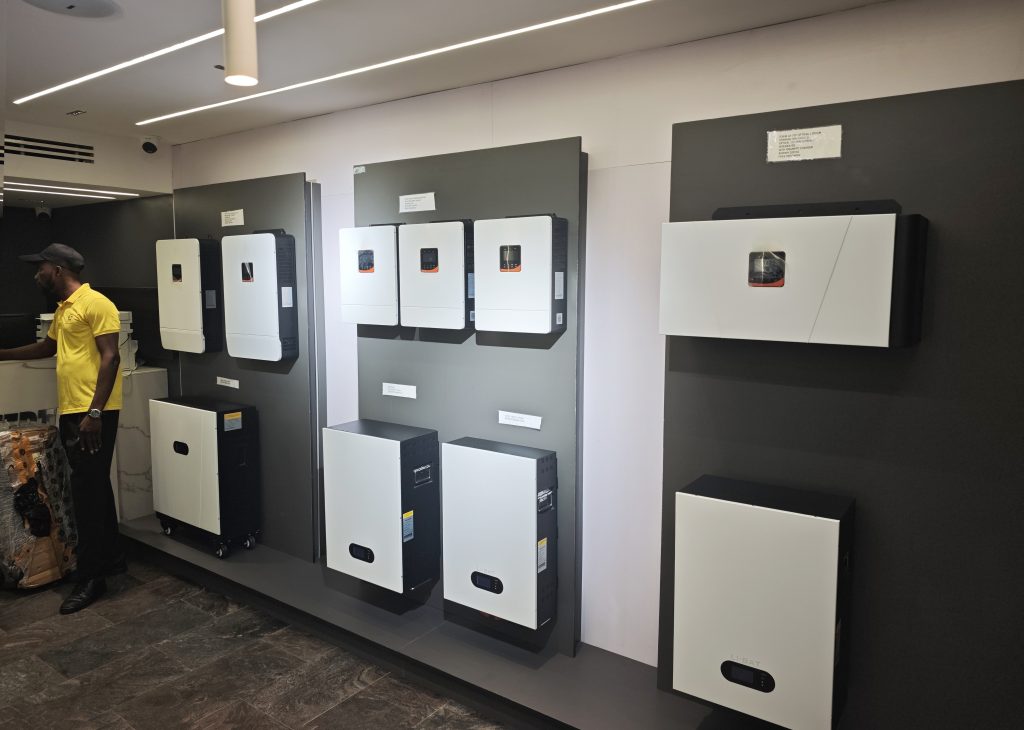
Coordination reduces volatility and raises usable yield. When panels and batteries speak through smart controls, farms can shave peaks, smooth ramp rates, and offer capacity during evening demand. Coordinated systems improve capacity factor for the whole plant rather than leaving throughput to sunshine alone — that’s real cashflow improvement. Costs for hardware have fallen, yet integration and control software determine how much of that drop lands in your pocket. The result is less curtailment and more predictable revenue — a quiet difference that shows up on monthly statements. — It’s not just tech; it’s craftsmanship in system design.
Real-world gains and trade-offs
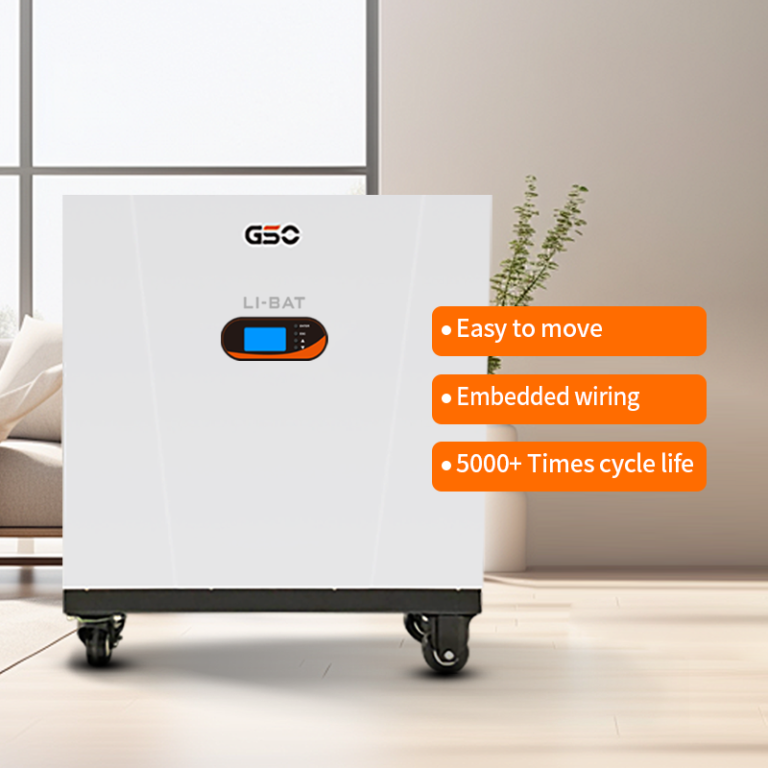
Practical outcomes matter. Hornsdale’s battery has reduced frequency deviations and earned income from frequency control. On the other hand, installing large-format battery banks adds CAPEX and operational needs: thermal management, warranty planning, and periodic inverter service. For buyers watching the bottom line, solar battery storage cost is a moving target shaped by pack price, balance-of-system, and commissioning timelines. Terms such as peak shaving and round-trip efficiency matter here — they speak directly to how much energy you can store and return without surprise losses.
Common mistakes and sensible alternatives
Too many projects err by undersizing storage relative to intended grid services, or by picking cheap inverters that bottleneck output. Others skip true lifecycle thinking, which bites later when warranty claims and thermal degradation arrive. Alternatives exist: pumped hydro or long-duration chemical storage can suit sites with particular geography or long-duration needs. For many industrial farms, however, modular battery systems paired with smart inverters strike the best balance of cost, response time, and footprint. — Practical planning beats theoretical perfection every time.
Three golden rules for industrial buyers
Measure these three things first and you’ll avoid the common traps. One: Levelized Cost of Storage (LCOS). Compare systems on a per-kWh delivered basis over expected life rather than headline CAPEX. Two: Round-trip efficiency and usable depth of discharge. Higher efficiency means less energy lost and clearer operational envelopes for peak shaving. Three: Service, warranty and thermal management. The vendor that stands behind maintenance and system monitoring saves you downtime and hidden expense. Choose partners that align design, deployment and aftercare — and that’s where practical engineering meets honest service. gsopower. —