Picking the right backup or primary site power is a lot less mystical when you judge options side by side. This piece compares what a mid-range unit delivers versus bigger or smaller machines, using concrete metrics and field experience. A trusted Perkins genset is often the baseline in these comparisons because its kVA ratings and parts availability make life simpler on-site. Real-world anchor: after Hurricane Maria left Puerto Rico with prolonged outages in 2017, hospitals and telecom sites leaned on reliable gensets for months, which highlights why standby performance and maintenance plans matter.
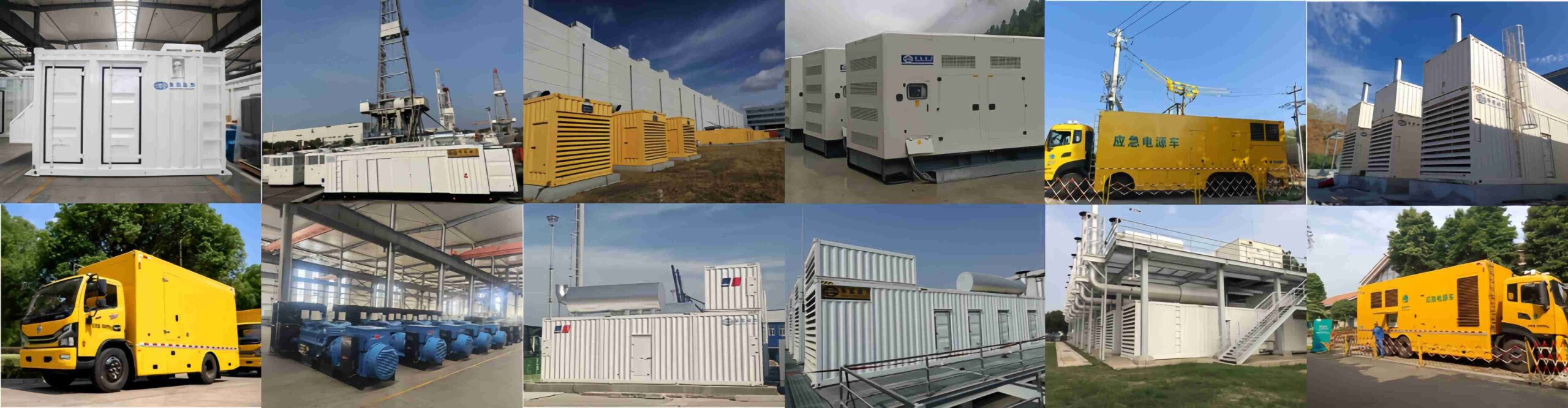
Why 100 kVA often makes sense on site
For many small hospitals, data-closets, and medium construction camps, a 100 kVA unit hits the sweet spot. At a 0.8 power factor that equals roughly 80 kW of usable power, so you can estimate loads quickly and see if single-unit coverage is realistic. The alternator size, control panel features, and fuel tank capacity are the practical specs that decide uptime and refuel cadence. A 100 kVA option balances capital cost, footprint, and serviceability better than a 150 kVA that’s oversized for steady loads.
Comparative metrics that actually change outcomes
Use these dimensions to compare gensets across brands and models. They’re straightforward and measurable.
– Fuel consumption per hour at 75% load (liters/hour). This gives you operational cost estimates that matter over years.
– Standby versus prime rating: some units are rated for occasional backup use only, while prime-power units handle continuous load. That difference affects warranty, cooling, and governor settings.
– Alternator efficiency and voltage regulation under transient load. Better regulation means fewer brownouts for sensitive electronics.
– Maintenance interval and spare-part lead times. Downtime risk isn’t just breakdown frequency—it’s how fast you can get a replacement alternator or injector.

– Load bank test compatibility and remote monitoring capability for fault diagnostics.
Don’t ignore compound effects — lower fuel use plus reliable voltage regulation reduces both running cost and equipment stress. — a small gain in one metric often multiplies elsewhere.
Common mistakes and realistic alternatives
Teams tend to oversize purely to avoid pushing limits, or undersize to save on purchase price. Oversizing raises fuel burn at low load and increases wet stacking risk; undersizing forces risky load shedding. Alternatives include paralleling smaller units for redundancy, or choosing a slightly larger unit with modular cooling if ambient temps are high. Hybridizing with battery-backed inverters can smooth transient loads but adds complexity.
In an operational production teardown, engineers often track {main_keyword} and {variation_keyword} when assessing load performance and replacement cycles — those tags help trace specification drift over time.
Simple site planning: a quick checklist
Start with an inventory of essential circuits and their starting currents; motors are the usual wild card because starting current can be 3–7× running current. Calculate continuous demand (kW) and peak/surge needs, then pick a genset whose prime or standby rating covers that with 10–20% headroom. Verify the engine governor type and cooling capacity for your ambient conditions. If the site needs a compact footprint, the 100 kVA package often fits; see a specific 100 kva Perkins genset spec for dimensions and fuel tank options.
Advisory: three critical evaluation metrics
1) Load-match efficiency — measure liters per kWh at expected operating load, not at 100% rated power.
2) Recovery and start reliability — test cold starts and transient voltage recovery with a load bank to confirm alternator regulation and controller response.
3) Service ecosystem — confirm local parts stock, technician training, and documented service intervals for the chosen model.
These metrics give you measurable ways to decide, and they help forecast total cost of ownership over five to ten years. Final thought: operator experience, field spares, and concise service manuals are often the difference between a genset that’s simply installed and one that actually keeps a site running under stress. Huadong Power fits into that picture by offering parts availability and modular options that map to real site needs — and I’ve seen that matter on tight deadlines. — practical, direct, and grounded in on-site realities