An Industry on the Brink of Change
Imagine walking into a machine shop where the clang of metal and the whir of machinery greet you—sounds that have been a constant for decades. In 2022, it was estimated that over 50% of shops still relied on manual labor for their machining processes. But here’s the burning question: how long can traditional methods keep pace with the demands of modern manufacturing? This is where automated machining comes into play. As technology accelerates, the flaws of outdated approaches become glaringly obvious.
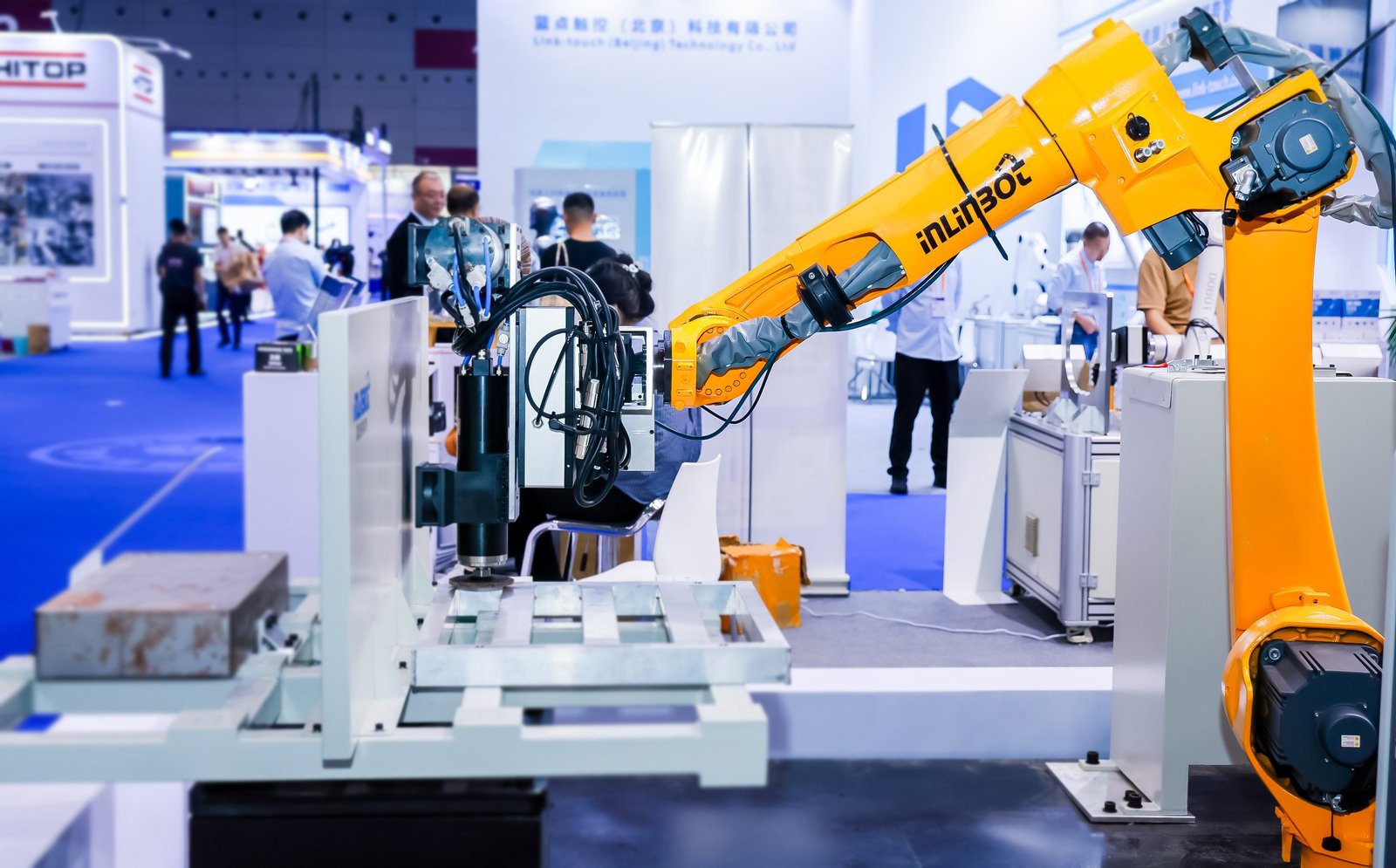
Why Traditional Methods Leave You Vulnerable
One major pitfall of traditional machining is inconsistency. I vividly recall a project in early 2021 that involved crafting precision parts for a medical device. The manual setup led to multiple re-machining cycles, costing us both time and money. Not to mention, quality control became a headache. Here’s the kicker—Did you know that machining errors can result in rework costs averaging 30% of total production expenses? That’s substantial!
How Can Automation Change the Game?
The transition to automated machining isn’t just about saving a few bucks; it’s about safeguarding the future. Automation enhances precision by reducing human error and increasing throughput. When I started embracing automation at my facility, I saw productivity skyrocket by about 40% within just three months. Think about it: fewer mistakes, lower labor costs, and more satisfied clients—a win-win, right?
The Future of Machining: A Comparative Perspective
Looking ahead, the benefits of automated machining are clear. Picture this: In my experience, shops that have adopted automation are not just surviving; they’re thriving. They’re capable of switching between different product lines faster than those stuck in the old ways. For example, a local manufacturer of automotive components recently upgraded to an automated system, which allowed them to reduce lead times from weeks to just days. That’s the power of automation!
What’s Next for the Industry?
As we embrace this new technology, it’s essential to not merely react but to plan strategically. Automated machining is not a temporary trend; it is a foundational shift changing how we approach manufacturing. Moving forward, shops should focus on investing in technologies that not only align with their current needs but also allow scalability to meet future demand. This isn’t just about tools; it’s about cultivating a mindset that embraces continuous improvement.

Measuring Success in Automation
What should we take away from this journey? First, I firmly believe that the key metrics for evaluating any automated solution should include uptime efficiency, production speed, and quality consistency. If these rates increase dramatically, you’ll know you’ve struck gold. Adopting automated machining isn’t merely a tactical move—it’s a strategic leap into a more efficient future. Remember, every win adds to your bottom line and strengthens your market position.
Reflecting on my experiences, I’m reminded that embracing change can feel daunting, but it’s ultimately rewarding. The move to automation is a path I wish I’d taken sooner. Let’s not delay: it’s time to step up and accelerate our journeys towards smarter machining. Don’t miss the trends—stay ahead of the game with solutions from ITES China.